There’s a unique kind of magic that settles over Rishikesh as dusk gives way to night. The vibrant greens of the surrounding forests deepen, the roar of the Ganga softens into a murmur, and a whole new world of nocturnal wonders begins to stir. As an avid birdwatcher, I’ve always been drawn to the thrill of a daytime sighting, but a recent adventure truly opened my eyes – and ears – to the captivating secrets of the night sky above the Himalayan foothills.
My quest wasn’t for the usual suspects. I was hoping for something more elusive, something whispered about in hushed tones by locals – perhaps a glimpse of a true “nightingale” or at least a powerful nocturnal vocalist. The idea of witnessing the unseen, the unheard by day, was intoxicating. So, armed with patience, a good pair of binoculars, and a headlamp (mostly for safety on the trails, not for shining directly at birds!), I embarked on a very special evening in Rishikesh, ready to immerse myself in its nocturnal symphony.
Chasing Shadows: The Enigmatic Indian Nightjar
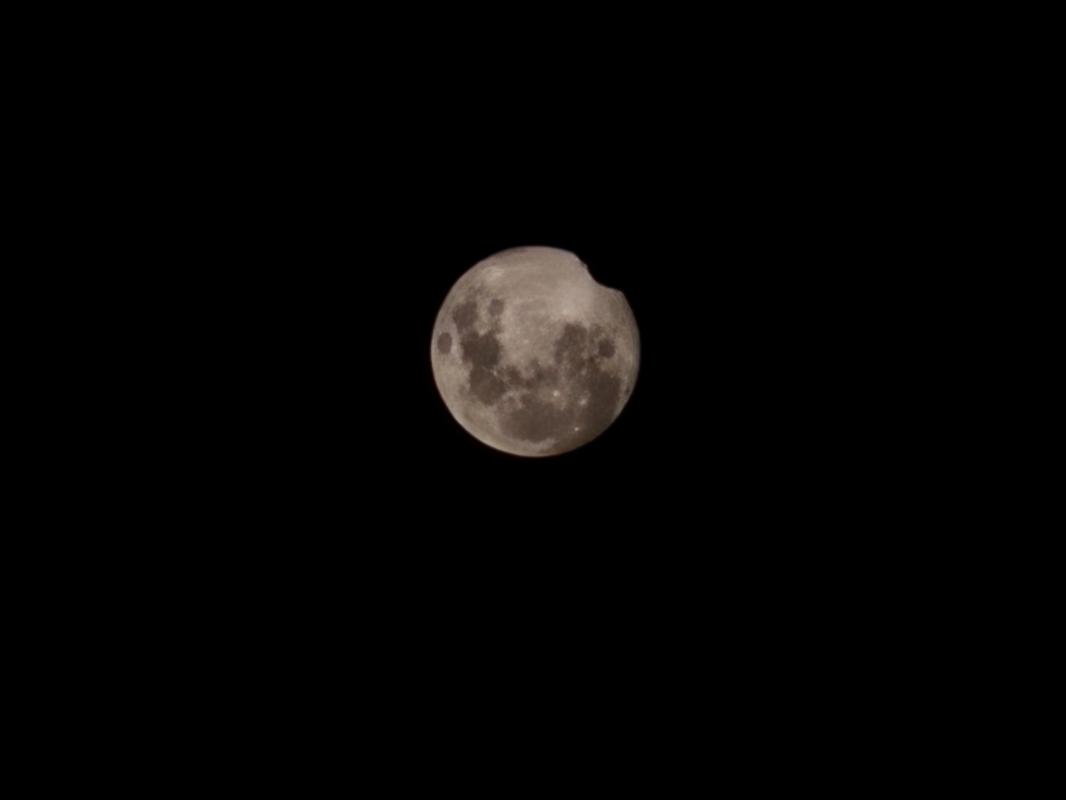
The air was cool and crisp as the last sliver of the sun dipped below the horizon, painting the sky in hues of deep orange and purple. Slowly, a magnificent full moon began its ascent, casting an ethereal glow over the landscape. It was against this backdrop, on a completely dark night, that my patience was rewarded. High above, silhouetted momentarily against the partially obscured full moon, was a small, dark shape. It was indistinct, a mere fleeting shadow, but it moved with an erratic, darting flight pattern characteristic of an insectivorous bird on the hunt.
My heart pounded. This wasn’t the melodious songster of European poetry, but it was undeniably a creature of the night, a true hidden gem of the Rishikesh nocturnal landscape. While the term “nightingale” often conjures images of the Old World songbirds, India has its own array of fascinating nocturnal aviators, and this sighting strongly pointed to one of them: the Indian Nightjar.
The identification was, admittedly, highly speculative given the brevity and indistinctness of the silhouette. However, the dark, somewhat angular shape, its flight against the moon, and the context of a nocturnal search in Rishikesh made the Indian Nightjar (Caprimulgus asiaticus) a plausible, even probable, candidate. These fascinating birds are masters of camouflage, spending their days perfectly blended with the leaf litter or tree bark, virtually invisible to the casual observer. But as night falls, they come alive, their erratic flights a testament to their aerial insectivorous lifestyle. Their distinctive churring calls are a common sound of the Indian night, often mistaken for insects or even distant machinery.
Witnessing this fleeting shadow was a profound experience. It wasn’t about a crystal-clear, definitive identification with all field marks visible. It was about the magic of the moment, the connection to the hidden life of Rishikesh after dark, and the pure thrill of encountering a creature perfectly adapted to its nocturnal world. It was a reminder that sometimes, the most memorable sightings are those that challenge our perception, inviting us to look closer, listen harder, and appreciate the subtle wonders around us.
Beyond the Silhouette: The Symphony of the Rishikesh Night
While the Indian Nightjar was the only bird species I could even tentatively identify that evening, the experience was far richer than a single sighting. The absence of other identified birds only highlighted the specific focus and challenge of nocturnal birding. The air was alive with other sounds – the rhythmic chirping of crickets, the rustling of leaves as unseen creatures moved through the undergrowth, the distant barks of street dogs echoing through the valley, and the occasional hoot of an owl. Each sound painted a vivid picture of the ecosystem thriving in the darkness. It was a sensory feast, a meditation on the natural world that hums along whether we are watching or not.
This evening underscored how birdwatching isn’t just about ticking species off a list. It’s about immersion, about patience, and about discovering new facets of familiar places. Rishikesh, often celebrated for its spiritual aura and adventurous river activities, holds a wild, untamed heart that truly comes alive after the sun sets. Exploring its trails and riverbanks by moonlight offers a completely different perspective, revealing wildlife that would otherwise remain hidden.
Tips for Nocturnal Birding in Rishikesh and Beyond
Inspired by my experience? Here are a few tips for those looking to explore the hidden world of nocturnal birds:
- Patience is Paramount: Nocturnal birding requires even more patience than daytime birding. Sit quietly, listen intently, and let your eyes adjust to the darkness.
- Essential Gear:
- Binoculars: Even in low light, they can help gather precious light and magnify distant silhouettes.
- Red-Light Headlamp: A headlamp with a red-light setting is crucial. Red light preserves your night vision and is less disruptive to nocturnal animals. Only use white light when absolutely necessary for safety.
- Field Guide: A good field guide for local nocturnal birds (or an app) can help confirm calls and likely species.
- Warm Clothing: Nights can get chilly, especially in the Himalayan foothills.
- Insect Repellent: Essential for comfort!
- Know Your Calls: Many nocturnal birds are identified by their calls rather than sight. Familiarize yourself with the calls of local owls, nightjars, and other crepuscular/nocturnal species before you go.
- Safety First: Never venture into unfamiliar territory alone at night. Inform someone of your plans, stick to well-known (though quiet) paths, and be aware of your surroundings. Rishikesh has its share of wildlife, including leopards, so caution is key.
- Respect Wildlife: Avoid using bright lights directly on birds for extended periods. Keep your distance, minimize noise, and never disturb nesting sites.
Conservation: Protecting Rishikesh’s Nocturnal Wonders
Our brief encounter with the Indian Nightjar served as a powerful reminder of the delicate balance within Rishikesh’s ecosystem. Nocturnal birds, like many other creatures of the night, face increasing threats from habitat loss, light pollution, and noise disturbance. The artificial glow of urban centers and tourist hotspots can disorient birds, disrupt their hunting patterns, and interfere with their navigation.
As birdwatchers and nature enthusiasts, we have a vital role to play in conservation. By advocating for responsible tourism, supporting local conservation efforts, and minimizing our own environmental footprint (especially light pollution), we can help preserve the dark skies and natural habitats that these incredible birds depend on. Every sighting, no matter how brief or indistinct, connects us to the intricate web of life and reinforces our responsibility to protect it.
Let’s strive to keep Rishikesh a sanctuary not just for spiritual seekers, but also for its vibrant and often hidden wildlife. The less visible species, like the Indian Nightjar, are just as important to the health and biodiversity of this remarkable region as the more charismatic megafauna.
A Night to Remember in the Land of Gods
My evening in Rishikesh, searching for its elusive nocturnal singers, was an unforgettable journey into the heart of its wild side. While a clear photograph of the Indian Nightjar against the full moon remains a dream (and a challenging one at that!), the experience itself was a treasure. It was a testament to the magic that unfolds when we slow down, tune in, and open ourselves to the less obvious wonders of the natural world. Rishikesh continues to surprise and delight, proving that even in its shadows, there’s an abundance of life waiting to be discovered.
So, next time you find yourself in the serene embrace of Rishikesh, consider stepping out after dark. You might not see a majestic tiger or an elephant, but you might just catch a fleeting glimpse of an Indian Nightjar, a true ghost of the forest, or hear the mysterious calls of an owl, and connect with the ancient rhythms of the Himalayan night. Happy birding, day or night!
No responses yet