[species]Golden Langur, Nightingale[/species]
[location]Guwahati, Umananda Island[/location]
[easy_reading]
Guwahati’s Golden Langur: A Super Cool Surprise!
Hi friends! It was December 1st, 2024, and I was on a bird-watching trip in beautiful Guwahati, Assam. Guess what? I saw something super special that wasn’t a bird at all! It was a shiny, golden monkey called a Golden Langur in Guwahati. My heart did a little flip! This blog post will tell you all about this amazing animal and how you can spot one too, along with tips for your own adventure.
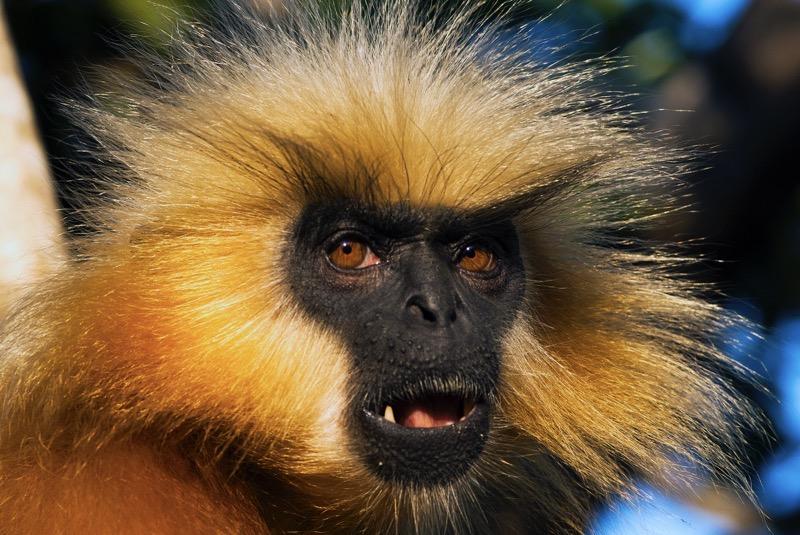
Image: A Golden Langur on Umananda Island, Guwahati.
Meeting a Marvel: The Golden Langur in Guwahati
Imagine a monkey with bright, fluffy golden-yellow fur and a dark, hairless face. That’s a Golden Langur! These amazing creatures are a type of Old World monkey, which means they are native to parts of Asia and Africa. What makes them super special is that they only live in a small area of Northeast India and Bhutan. I was so excited to see one!
I spotted this particular Golden Langur on Umananda Island, also known as Peacock Island. It’s a tiny, beautiful island right in the middle of the huge Brahmaputra River near Guwahati. The langurs there are really important to the local people. They make cool hoots and alarm calls to talk to each other and warn their friends. It was incredible to hear them!
I went to Guwahati expecting to see lots of beautiful birds, and I did hear a lovely nightingale nearby! But seeing this golden friend was an even bigger treat. It taught me that nature always has surprises, and you never know what amazing creature you might meet. It was a moment I won’t forget!
Where to Find Golden Langurs (and Other Animals!)
Umananda Island is like a secret garden for these langurs. It’s a small island, easy to get to by a short boat ride from Guwahati.
Tips for your adventure:
- When to go: The cooler winter months (October to March) are perfect for visiting.
- What to bring: Don’t forget binoculars to see animals far away, a camera for cool pictures, and water to stay hydrated.
- Be quiet: Animals are shy! Move slowly and talk softly so you don’t scare them.
- Respect them: Please don’t feed them. It’s important for them to eat their natural food.
Snapping Pics of the Golden Langur
Taking good pictures of wild animals can be a fun challenge. Here are some ideas:
- Use a camera with a good zoom lens so you can take pictures from a distance.
- Be patient and wait for the best moment – sometimes they do funny things!
- Avoid using a flash; it can surprise or scare the animals.
Your Own Golden Langur Trip!
I really hope you get a chance to see a magnificent Golden Langur in Guwahati someday. It’s an unforgettable experience to see such a rare and beautiful animal in its home. Guwahati is full of amazing wildlife, both in the trees and in the water. Keep your eyes peeled for all sorts of creatures!
What’s the coolest animal you’ve ever seen unexpectedly? Tell me in the comments below! And make sure to check out my other posts about birding in Assam!
[/easy_reading][normal_reading]
Guwahati’s Golden Langur: A Primate Encounter That Blew My Mind!
December 1st, 2024. The air in Guwahati, Assam, was crisp, carrying the scent of verdant foliage and the distant murmur of the Brahmaputra. I was deep into a dedicated birding expedition, binoculars poised for elusive feathered jewels. What I didn’t expect was an encounter so profound it would challenge my very definition of a “successful” wildlife trip. I found myself face-to-face with a stunning Golden Langur in Guwahati, an experience that completely shifted my perspective. This isn’t just a bird blog post; it’s an account of an extraordinary primate sighting, packed with insights for your own wildlife explorations in this incredible region.
Image: A captivating close-up of a Golden Langur on Umananda Island, Guwahati.
The Unexpected Jewel: Discovering the Golden Langur in Guwahati
Let me set the scene: I’m a seasoned bird blogger. My life revolves around binoculars, field guides, and the thrill of a new lifer. So, imagine my surprise, borderline confusion, when a flash of brilliant golden-yellow fur, contrasted sharply by a jet-black, almost philosophical face, caught my eye. It was an Old World monkey, the magnificent Golden Langur (Trachypithecus geei). Endemic to a small, specific pocket of Northeast India and Bhutan, these creatures are a true biological treasure.
My heart literally skipped a beat. This wasn’t just a sighting; it was an emotional moment. I’d come seeking avian wonders, and while I did catch the ethereal song of a nightingale (a sweet, fleeting bonus!), this golden primate stole the show. It taught me a valuable lesson: sometimes, the greatest discoveries on a birding trip aren’t birds at all. It reminded me to keep an open mind and embrace all of nature’s offerings. It was a truly humbling and f**king amazing experience.
Umananda Island: A Sanctuary for the Golden Langur
The particular individual I photographed, with its intense, expressive eyes and slightly agape mouth (perhaps mid-hoot!), resides on Umananda Island. This tiny river island, also known as Peacock Island, sits majestically in the Brahmaputra River, just off Guwahati. It’s not just a picturesque spot; it’s a vital refuge for these sacred animals, revered by the local community. Their vocalizations, from soft hoots to sharp alarm calls, are crucial for their social cohesion and survival in this unique island habitat. Understanding their identification is straightforward: that distinctive black face against golden fur is unmistakable for the Golden Langur in Guwahati.
Navigating the Wilderness: Tips for Spotting and Photographing the Golden Langur
Spotting a Golden Langur requires patience and a respectful approach. Here’s what I’ve learned:
Q: When is the best time to visit Guwahati for wildlife?
A: I recommend the cooler, drier winter months, typically from October to March. The weather is more comfortable, and wildlife, including the Golden Langur, can be more active and visible.
Q: What gear should I bring for a Guwahati wildlife trip?
A:
- Optics: Good binoculars are a must.
- Camera: A DSLR or mirrorless camera with a telephoto lens (200-400mm) is ideal for capturing distant subjects without disturbing them.
- Essentials: Water, sun protection, and insect repellent.
- Field Guide: While my focus was birds, a regional wildlife guide would have been handy.
Q: How can I respectfully observe and photograph wildlife?
A:
- Maintain Distance: Always keep a respectful distance. Never approach or try to touch animals.
- Silence is Golden: Speak softly, if at all. Sudden noises can distress wildlife.
- No Feeding: Absolutely do not feed wild animals. It disrupts their natural diet and behavior.
- Patience is Key: Wildlife photography is 90% waiting. Be patient, observe their natural behavior, and anticipate moments.
- Light: Early mornings and late afternoons offer the best light for photography. Avoid harsh midday sun.
- Flash: Turn off your camera’s flash. It can startle and harm animals’ eyes.
My guide, though focused on birds, was a wealth of local knowledge, helping me navigate the island and providing context on the langurs’ significance. While I don’t have his contact details right now, asking locals for recommendations upon arrival is always a great strategy.
Beyond the Golden Langur: Guwahati’s Wider Biodiversity
While the Golden Langur in Guwahati was the star, remember that this region is teeming with other life. Keep an eye out for a variety of bird species, reptiles, and smaller mammals. My fleeting sighting of a nightingale underscored the rich avian diversity even within the city’s green pockets. Exploring local parks or the fringes of protected areas around Guwahati can yield incredible results.
Your Guwahati Wildlife Journey Awaits!
This unexpected encounter with a Golden Langur in Guwahati was a powerful reminder that nature constantly surprises us. Embrace the unexpected, stay open to all forms of wildlife, and you might just have your own mind-blowing experience.
Have you ever had an unexpected wildlife encounter that changed your trip? Share your stories in the comments below! Don’t forget to like, share, and subscribe for more adventures. Check out my other posts on birding in Northeast India for more tips!
[/normal_reading]
No responses yet