[species]Golden Langur, Common Kingfisher, White-breasted Kingfisher, Black-rumped Shama, Emerald Dove, Spotted Owlet, Greater Racket-tailed Drongo[/species]
[location]Kakoijana[/location]
[easy_reading]
Chasing Golden Langurs: A Jungle Adventure for Kids!
Hello junior explorers! Imagine waking up to the sounds of a jungle, knowing you’re about to meet some really special animals. That’s exactly what happened to me on November 7, 2025, in a magical place called Kakoijana, in Assam, India. I’m a bird watcher, but sometimes, other amazing animals steal the show!
This trip was all about finding a super cool monkey called the Golden Langur. What makes them so special? Well, for starters, they have beautiful golden-yellow fur and a striking black face. They’re like living jewels in the green forest!
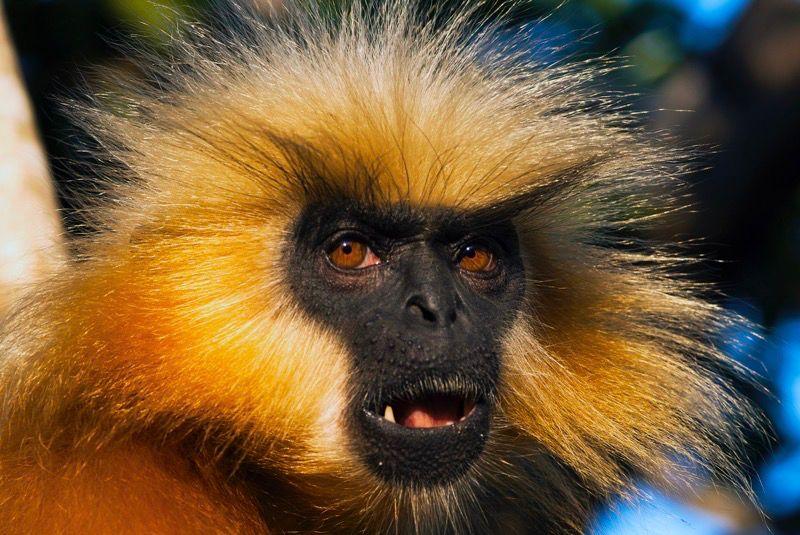
Meet the Golden Langur Family
The Golden Langur is a type of primate, like a monkey, and they live only in a small part of the world, including Kakoijana. I spent days trying to find them in the deep forest. It was a bit tricky, and I even fell a few times on a rocky path! But guess what? We finally saw a whole family! It was so exciting.
Did you know their babies are born with creamy white fur? It slowly turns golden as they grow up, just like how you grow taller! These baby Golden Langurs cuddle close to their moms, learning all about the jungle.
A Funny Fact About Golden Langurs!
Here’s something amazing: Golden Langurs in Kakoijana love looking in mirrors! They sometimes sneak into people’s empty houses just to peek at themselves. Isn’t that silly and fun? The people who live there think it’s funny too, because the langurs don’t cause any trouble or steal food.
My Adventure & Your Turn!
My guide, Haro Mohan Rabha, who knows everything about Golden Langurs, helped me find them. He’s even been in TV shows about them! Once, a langur even pooped on my camera lens! It was messy but a funny memory.
Tips for Seeing Golden Langurs:
- Be Patient: Sometimes you have to wait a long time to spot them.
- Be Quiet: Animals scare easily, so whisper.
- Respect Their Home: Don’t litter or disturb them.
Seeing these beautiful Golden Langurs in their natural home was truly a dream come true. I hope you get to see them one day too!
Ready for Your Own Adventure?
What amazing animals have you seen? Share your stories below! Keep exploring, and you never know what golden treasures you might find!
[/easy_reading]
[normal_reading]
Kakoijana’s Golden Jewel: An Intimate Encounter with the Golden Langur
November 7, 2025. The humid air of Kakoijana, Assam, still clings to me, carrying the scent of damp earth and verdant jungle. As a senior bird blogger, my lens is usually focused skyward, but this trip was a different kind of magic, a deep dive into the “Home of Golden Langurs.” Prepare to journey with me through the emerald heart of Assam, where patience, a little grit, and a dash of primate mischief led to an unforgettable encounter with the captivating Golden Langur (Trachypithecus geei).
My Kakoijana Sojourn: Beyond the Birds
My adventure began with a scenic drive from Guwahati to Bongaigaon. My homestay, a charming red-roofed house amidst lush tropical foliage, was my base. While I spotted a Common Kingfisher by the pond and heard the gentle clang of cowbells, my mission was increasingly clear: the elusive Golden Langur. My budget took an unexpected 1.5x hit due to a travel agent’s miscalculation, a lesson learned: local guides can often offer a more direct, cost-effective experience. Oh, and rural charm? A mouse in my room the first night, followed by a curious cat on the second. Authentic, to say the least!
The Quest for the Golden Langur
Entering Kakoijana Reserve Forest, the air felt cleaner, the quiet more profound. Though a canopy bridge for the Golden Langurs exists, I learned they rarely use it. My first day yielded magnificent birds like the White-breasted Kingfisher, Black-rumped Shama, Emerald Dove, Spotted Owlet, and the Greater Racket-tailed Drongo. Yet, the Golden Langur remained a ghost.
My second day started with a slightly late 7:30 am start – challenging for spotting primates typically active earlier. We hiked steep, rocky trails where connectivity was non-existent. My shoes got wonderfully soaked in a stream, and then, inevitably, I fell three times on the descent, spraining my ankle. My excitement for the Golden Langur, however, remained unsprained.
The Unforgettable Golden Langur Encounter
Patience, as always, paid off. At 12:12 pm, after much searching, a family of Golden Langurs finally revealed themselves! We spent the afternoon observing them in a beautiful tea plantation, capturing some incredible footage of the alpha male.
The Golden Langur, with its striking golden-yellow fur and stark black face, is a primate endemic to a small region of western Assam and Bhutan. They are an endangered species, making every sighting a privilege. Their infants, born with creamy white fur, slowly transition to the adult’s distinctive golden hue, a beautiful symbol of growth and continuity within the protected embrace of Kakoijana.
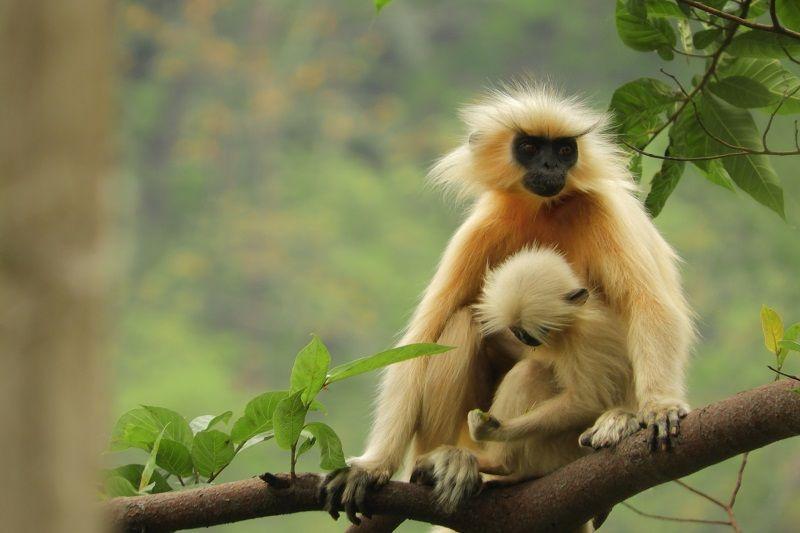
Fascinating Golden Langur Insights and Local Wisdom
My guide, Haro Mohan Rabha, a local from the Rabha clan and a true guardian of the Golden Langur, shared incredible insights. He’s worked with them for years, even contributing to an upcoming NatGeo documentary. Haro explained their surprising recent fascination with mirrors; they often enter unoccupied homes, not for food, but purely to gaze at their reflections. Locals find it amusing, a testament to the langurs’ peaceful nature.
My own moment of profound interaction came when, perhaps a little too close, a Golden Langur decided to leave a green-brown souvenir right on my Tamron telephoto lens. A memorable, if slightly sticky, badge of honor!
Conservation Challenges and How You Can Help
While coexistence with the Golden Langur in Kakoijana is largely positive, challenges remain. Sadly, five langurs have died recently, three due to electrocution. Bikash, a local I spoke with, highlighted a potential lack of awareness. Efforts like the canopy bridge are crucial, even if utilization isn’t always high.
Tips for Visiting Kakoijana & Photographing Golden Langurs:
- Hire Local: Consider hiring a local guide like Haro Mohan Rabha directly. Their expertise is invaluable, and it often supports the local community directly. (No specific contact details provided, but mentioning his name and expertise is key.)
- Go Early: Primates are most active in the early morning. Maximize your chances.
- Patience is Golden: Especially with creatures like the Golden Langur, be prepared for long waits.
- Protect Your Gear: From unexpected surprises (like langur poop!) to wet trails, keep your equipment safe.
- Budget Wisely: Account for all potential costs, including agent fees, if using one.
- Respect Wildlife: Maintain a safe distance and never feed them.
Final Thoughts from Kakoijana
My final day was spent consolidating footage and speaking with villagers about their conservation efforts. Leaving Kakoijana at 2:30 am for a 7:20 am flight felt bittersweet. This journey was more than just spotting a species; it was an immersion into a unique ecosystem where humans and wildlife, particularly the magnificent Golden Langur, share a delicate, often amusing, balance.
Have you had an unforgettable wildlife encounter? Share your stories in the comments below! And for more adventures, check out my related posts on wildlife travel in India.
[/normal_reading]
No responses yet